Connect the device and run the installer and driver wizard so the system is ready to record.



Everything your team needs to run accurate ECG screenings with Cardea 20/20
Take your team from an unopened device to a confirmed ECG. Watch straight through before your first screening, or jump to the one you need.
Why preventative ECG screening matters for youth, and how the International Criteria algorithm cuts false positives from up to 30% to about 2%.
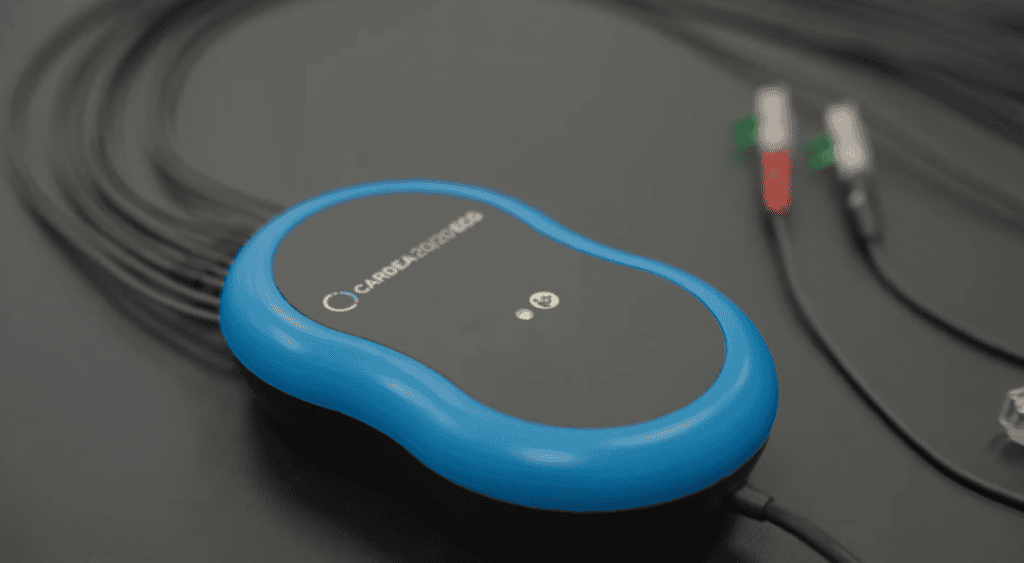
Connect the device and run the installer and driver wizard so the system is ready to record.
Set up patient fields, the American Heart Association (AHA) questionnaire, the data storage path, and your institution ECG label before the first screening.
How to place all 12-leads properly to get quality ECG data.

Pre-register participants, capture a clean tracing, and get the preliminary analysis before saving the record.
The six display tools, phase editing, reviewer login, and confirming a record’s status.
A step-by-step guide to help diagnose and fix problems.
Step-by-step guidance on setup, use, and safety to ensure accurate and reliable results.
Install the latest version to stay current with the newest interpretation algorithms.
ECG INTERPRETATION CRITERIA
Sharma S, Drezner JA, Baggish A, et al.
2017
ECG INTERPRETATION CRITERIA
Bryde R, et al.
2025
ECG INTERPRETATION CRITERIA
Gomez SE, et al.
2024
Looking for more clinical resources?
Setup, screening, and results — drawn from the training course.
Plug the device’s USB cable into any available USB port on your computer — a sound confirms the computer has recognized it. If the software isn’t installed yet, go to cardiacinsightinc.com/2020-software, enter the serial number found on the label on the back of the device, and follow the registration and download steps. Always connect the device before launching the software.
Open the software and click Options, then Preferences. There you can set patient information fields, A and B forms, American Heart Association (AHA) questions, data acquisition, diagnostics, security, and system settings. Create a folder on your desktop named "To Be Sent" and paste its path into the Patient Data Storage Path field, then enter your institution ECG label under the System tab so it appears on reports.
To check your current version, select Help, then About Cardea 20/20 ECG. If an older version is installed, delete it before downloading the current one.
ECGs can be recorded by trained staff or volunteers. No special medical certification is required beyond proper training.
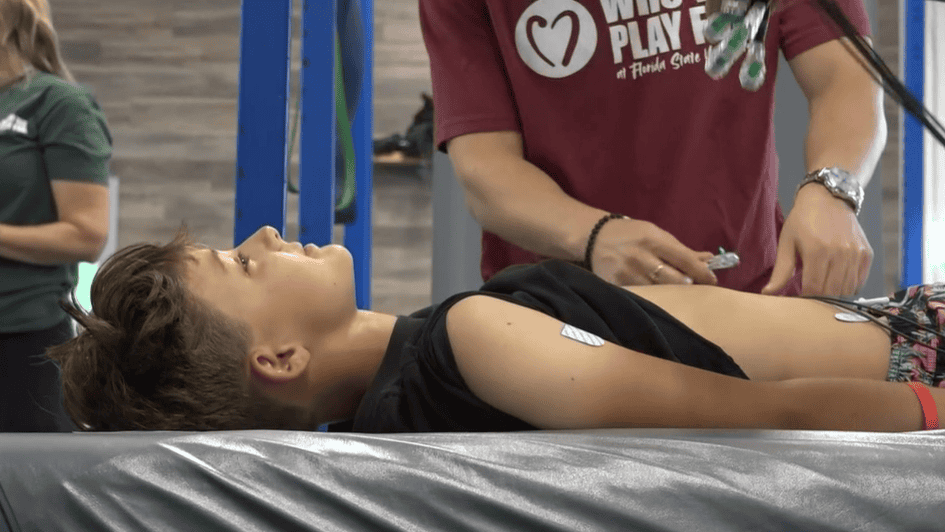
Ten electrodes are placed on the participant: four under the left breast, two in the middle of the chest, one on each arm, and two near the hip bones. The recording is painless and takes only a few minutes.
You can pre-register a participant under File, then Patient Pre-registration and Demographic Entry, or click Record ECG if the participant is already connected. Once recording begins, the transmitter blinks its power LED, sounds a tone, and displays the real-time trace. Allow one and a half to three screens to fill with a clean tracing, then click the red and white square to stop.
For excessive hair, shave or part the area, clean thoroughly with alcohol wipes, and let it dry completely before applying new electrodes. For sweat or lotion, clean with alcohol wipes and apply new electrodes once dry. Press the top and sides of each electrode to secure adhesion for the full recording.
A heavy, blurry line usually means interference — set aside watches and other electronics. A large, consistent wave points to heavy breathing, so have the participant relax. Movement distorts the waveform, and stopping too early produces an incomplete trace; in both cases repeat the recording.
ECGs are interpreted by cardiologists, advanced practice providers, or sports and family medicine clinicians using the Cardea 20/20 software. After recording, a preliminary report is generated that requires an overreading physician to review and confirm; the report remains unconfirmed until that review is complete.
The Cardea 20/20 uses an algorithm based on the International Criteria, which brings the false positive rate down from up to 30% to about 2%.
Talk through your screening program with our team — training, workflow, and what it takes to run at scale.
Submit your information below and we’ll respond with the guidance or resources you need.
Our Cardea 20/20® team will review it and follow up within 1–3 business days.
A confirmation is on its way to your email.